


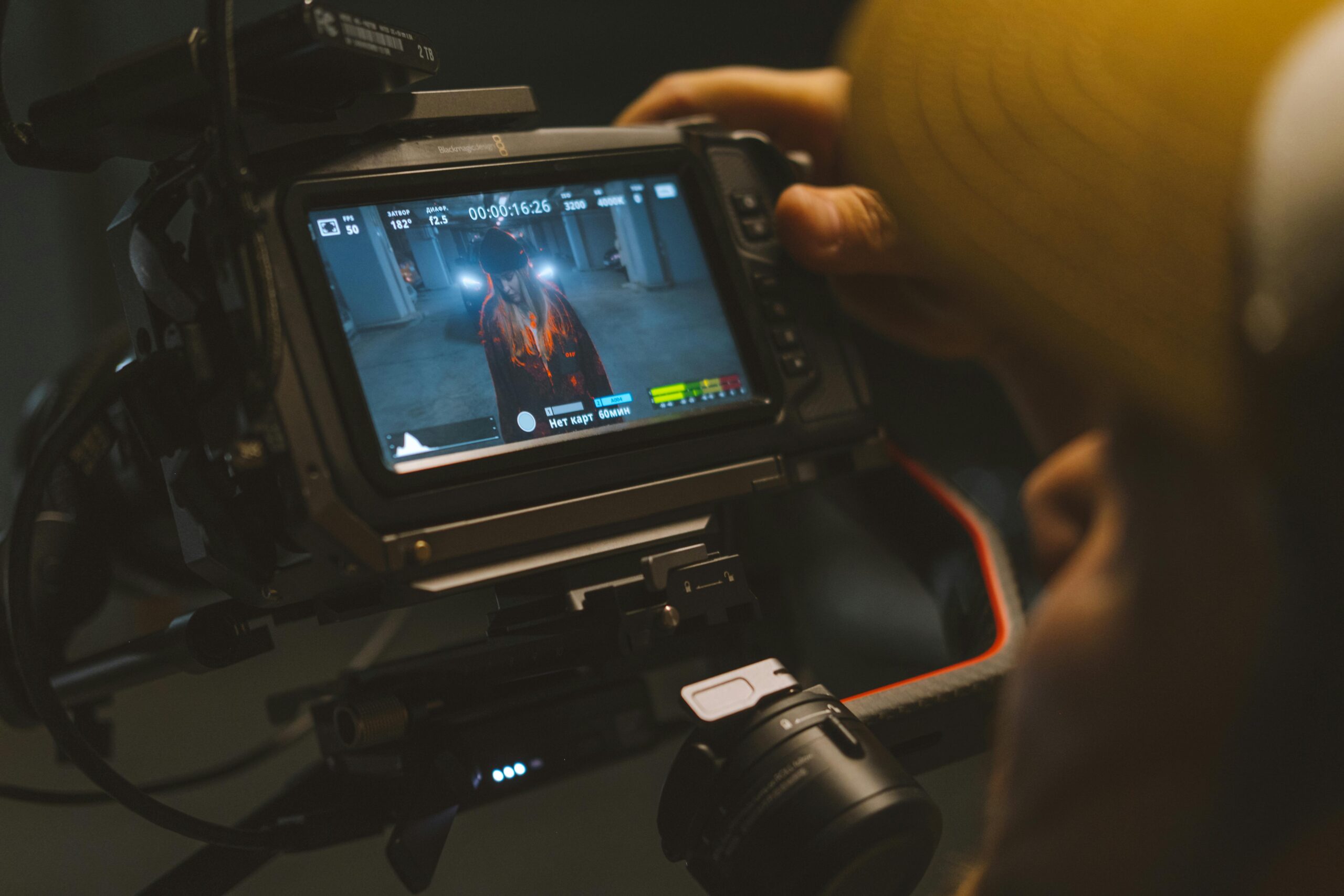
Creative Control & High-End.In the professional world, the true value of a tool isn’t just in what it can do, but in how much you can control it. For years, critics of artificial intelligence argued that it was too random for serious filmmaking. However, in 2026, the narrative has shifted. We are no longer just “generating” clips; we are directing them. AI for video has evolved into a sophisticated instrument that offers surgical precision for creators who refuse to compromise on their vision.
To achieve a high-end result, you must move beyond simple text boxes and master the features that provide total creative control.
1. From Passive Prompting to Active Directing
High-end production requires specific camera movements that tell a story. You don’t just want a scene; you want a “slow reveal” or a “tight tracking shot.” Modern AI for video tools now include “Director Modes” that allow you to dictate:
- Camera Orchestration: Manually setting the path of the lens. Whether it’s a sophisticated Dolly Zoom or a complex Pan, you have the power to guide the viewer’s perspective exactly like a cinematographer.
- Motion Brushes: This is perhaps the most significant breakthrough in creative control. By painting over a specific area of a still image—such as a flowing river or a person’s eyes—you tell the AI exactly where to apply movement and where to stay still.
2. Solving the Consistency Challenge
The hallmark of a high-end production is visual consistency. In amateur AI clips, characters often change appearance between shots. Professional-grade AI for video solves this through two main pillars:
Character Reference Models
Professionals can now upload a “Reference Sheet” of a character. The AI learns the facial structure, clothing, and unique traits, ensuring the character looks identical whether they are in a dark forest or a bright office.
Temporal Stability
High-end models now use advanced temporal layers to ensure that pixels don’t “flicker.” This results in smooth, logical motion that holds up even on large theater screens, making the AI for video indistinguishable from traditionally filmed footage.
3. The High-End Hybrid Workflow
True experts rarely use AI in isolation. Instead, they integrate it into a professional pipeline alongside industry-standard software like DaVinci Resolve or Adobe After Effects.
- The VFX Sandwich: Professionals often film real actors on a basic set and use AI for video to generate hyper-realistic, complex backgrounds. This “hybrid” approach keeps the human emotion authentic while allowing for blockbuster-scale environments.
- Neural Upscaling: To reach 4K or 8K broadcast standards, creators generate the base movement in AI and then pass it through a dedicated upscaling neural network to add fine details like skin pores, fabric textures, and realistic lighting reflections.
Leading Tools for Professional Control
| Tool | Specialty | Level of Control |
|---|---|---|
| Runway Gen-3 Pro | Multi-Brush and Advanced Camera Control | Elite |
| OpenAI Sora | Physics-based realism and long durations | Professional |
| Luma Dream Machine | High-fidelity character consistency | High-End |
Why Control Matters More Than Ever
As AI for video becomes more accessible, the market will be flooded with “average” content. The creators who will stand out are those who use these tools to execute a specific, intentional aesthetic. High-end output isn’t about the AI being “smart”; it’s about the human being the master of the machine.
By mastering these control features, you aren’t just a user of technology—you are a digital architect. You have the power to build entire worlds, frame by frame, with a level of detail that was once reserved for the world’s biggest film studios.
Final Thought: In the realm of high-end media, AI is the engine, but your creative control is the steering wheel. Without it, you’re just a passenger. With it, you’re a visionary.